
What Is Generative Engine Optimization (GEO)? A Complete Guide for 2026
The digital search landscape has changed more in the last two years than in the entire previous decade. With AI-powered platforms like ChatGPT Search, Perplexity, Gemini, and Claude reshaping how users discover information, businesses can no longer rely solely on traditional SEO.
Welcome to Generative Engine Optimization (GEO) — the future of search visibility in 2026.
In this guide, we’ll explain what GEO is, how it works, and how businesses can optimize for AI-driven search experiences.
What Is Generative Engine Optimization (GEO)?
Generative Engine Optimization (GEO) is the practice of optimizing your content so that AI-powered search engines and generative models (like ChatGPT, Perplexity, and Google’s AI Overviews) understand, use, cite, and recommend your content in their generated answers.
Think of GEO as the new SEO — created for an era where:
-
Users ask questions, not keywords
-
AI summarizes the internet instead of showing blue links
-
Answers come instantly in conversational form
GEO ensures your content becomes part of those answers.
Why GEO Matters in 2026
AI engines have become the primary place where users look for:
-
Product recommendations
-
Local services
-
Tutorials and how-to guides
-
Comparisons and buying decisions
-
Health & wellness insights
-
News summaries
That means AI is now the new “homepage” of your brand.
If your content doesn’t appear in AI-generated responses, you’re invisible.
How GEO Impacts Visibility
-
Higher chance of being cited in AI answers
-
More traffic from AI search platforms
-
Stronger brand authority and trust
-
Competitive edge in a crowded digital space
How Generative Search Works
Generative engines rely on three major components:
a) Large Language Models (LLMs)
They interpret user intent and generate conversational answers.
b) Retrieval Models
They pull information from trusted sources (websites, databases, PDFs, reviews, etc.)
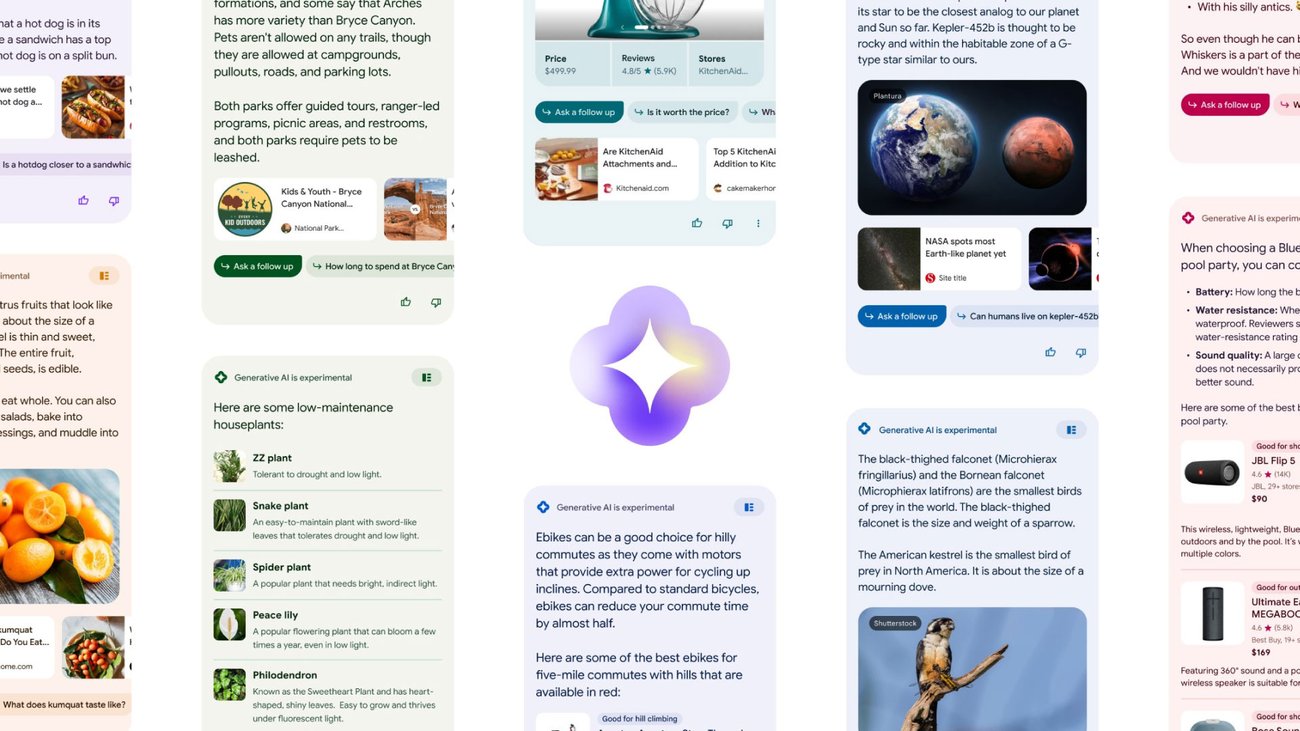
c) Ranking Logic
LLMs prioritize:
-
structured content
-
high-authority sources
-
factually consistent information
-
data that’s easy to extract
GEO focuses on improving all of these signals.
Key GEO Strategies for 2026
Here are the tactics top brands are using to get their content into AI answers:
1. Create AI-Readable Content
Generative engines prefer clarity.
That means:
-
Short, scannable sentences
-
Direct answers to specific questions
-
Bullet points and structured formatting
-
Fact-based and data-backed content
2. Optimize for LLM Queries, Not Keywords
Traditional SEO used keywords like:
“best milk delivery app”
LLM queries look like:
“Which is the best reliable milk delivery app for fresh cow milk near me?”
Write content that answers real conversational queries.
3. Add “Structured Facts Blocks”
AI models love predictable, extractable data.
Use:
-
-
Stats blocks
-
Pros & Cons
-
Comparison tables
- FAQs
4. Build Topical Authority
Generative engines reward depth, not surface-level blogs.
Publish content clusters that fully cover a niche.
Example: A dairy brand would cover nutrition, sourcing, farming, recipes, health benefits, and sustainability.
5. Strengthen Your E-E-A-T Signals
Experience, Expertise, Authoritativeness, Trustworthiness.
Use:
-
Author bios
-
Expert quotes
-
Certifications
-
Transparent sourcing information
-
Verified company profiles
6. Create GEO-Friendly Media
AI engines increasingly analyze:
-
videos
-
infographics
-
podcasts
-
short clips
Add transcripts, descriptions, and metadata — LLMs extract these too.
7. Update Content Frequently
Generative engines prioritize fresh information.
Regular updates boost your visibility in AI-generated answers.
GEO Tools & Technologies Emerging in 2026
1. AI Content Auditors
Tools that rate how “LLM-friendly” your pages are.
2. Semantic Optimization Platforms
These compare your content to AI-generated responses and fill gaps.
3. AI Snippet Generators
Convert your pages into LLM-readable summaries and fact blocks.
4. Real-Time GEO Analytics
Shows how often your website is cited in AI search results.
GEO vs SEO: What’s the Difference?
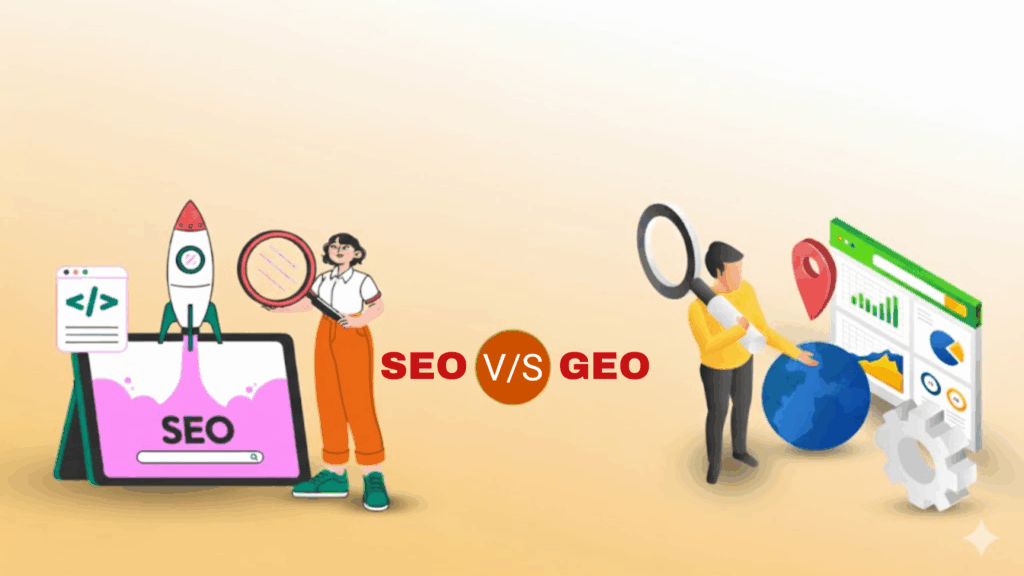
| Feature | SEO | GEO |
|---|---|---|
| Target | Search engines | AI engines & LLMs |
| Focus | Keywords | Queries & context |
| Output | Ranked links | Generated answers |
| Optimizes For | Crawlers & bots | Retrieval & AI reasoning |
| Goal | Website ranking | AI answer inclusion |
In 2026, GEO doesn’t replace SEO — it enhances it.
The Future of GEO (2026–2030)
Expect:
-
AI-native websites
-
LLM-ready API content feeds
-
Verified “AI Fact Blocks”
-
GEO-certified content formats
-
Real-time optimization based on AI citations
Businesses that adopt GEO early will dominate organic visibility in the coming decade.
Final Thoughts
Generative Engine Optimization (GEO) is no longer optional — it’s essential.
As AI becomes the core interface of the internet, brands that optimize for generative engines will own the future of digital attention.